Beach Clubs vs. Free Public Beaches: A Cost and Etiquette Comparison
The first decision at the coast is often not where to swim but where to put your towel. A beach club promises shade, service and a tidy row of loungers; a free public beach promises open sand and a lighter bill. Neither is automatically better. The right choice depends on who is with you, how much gear you are carrying, and how you feel about rules, crowds and spending. Here is a practical comparison to help you pick without regret.
What You Pay For, and What You Don’t
Beach clubs sell convenience in packages that vary widely by location and season. You might pay per person for a lounger and umbrella, or pay a cover charge that is partly credited against food and drink. Some clubs require a minimum spend at the bar or restaurant; others rent towels, lockers or a changing cabin separately. None of this is uniform, so the useful habit is simple: ask before you sit down. A friendly question at the entrance — “What does the price include, and is there a minimum spend?” — prevents most awkward surprises.
Public beaches are free to enter, but free is rarely the whole story. Parking may cost money, especially near popular access points. You may rent an umbrella from a nearby shop, buy lunch from a kiosk, or pay for a shower. If you are carrying your own chairs, cooler and shade, the public beach can be the cheaper day. If you are travelling light, a beach club’s package may compare well with the cost of assembling everything yourself.
Do a quick total before committing: parking, rentals, lunch, drinks, showers and any entrance fee. Compare that with the club’s all-in offer. If you plan to eat a proper meal, a minimum spend can feel less like a penalty and more like lunch with a seat. If you prefer a picnic, the public beach usually wins on both cost and freedom.
Facilities and Comfort, Side by Side
Comfort is where the two options diverge most clearly. A beach club usually gives you guaranteed shade, a place to leave your bag, and food within walking distance. That matters with small children, older relatives or anyone who tires easily in heat. A public beach gives you space and flexibility, but you become your own logistics manager.
- Beach club: reserved loungers and umbrellas, restrooms, showers, changing cabins, bar or restaurant service, and often a lifeguard or first-aid point. Some have pools, kids’ clubs or watersports desks. Check whether day passes are limited in high season.
- Public beach: open sand, natural shade if there are trees or dunes, and no schedule beyond local opening rules. Bring your own umbrella, water, snacks, mats and a rubbish bag. Public restrooms and showers may exist, but they can be seasonal, basic or absent.
A middle path works well for many visitors: choose a public beach and rent an umbrella and two chairs from a nearby operator. You keep the open-sand feel but skip the struggle of carrying shade across hot sand. Ask whether the rental includes setup and whether you can choose your spot.
Rules and Etiquette: What Matters on the Sand
Beach clubs run on quiet order. Loungers are arranged for a reason; moving them without asking can block walkways or someone else’s view. If the club posts a no-outside-food rule, respect it or choose another beach. Keep phone calls short and low, supervise children around service areas, and ask before taking a chair that looks unoccupied. It may be reserved for a guest who has gone for a swim.
Public beaches have fewer written rules but more shared space. The unwritten rule is straightforward: your comfort should not cost someone else theirs. Leave a gap between your setup and the next group. Do not block the path from the parking area to the water. Keep music at a volume only your group can hear. Take rubbish away, including fruit peel and bottle caps. If you want to play a ball game, move away from sunbathers and check local signs about designated areas.
Both settings reward a little awareness. On a crowded day, the difference between a pleasant afternoon and a tense one is often a metre of space and a lowered speaker.
Accessibility and Family Practicalities
Beach clubs are often easier for strollers, wheelchairs and visitors who need a short walk from car to sand. Boardwalks, ramps and accessible toilets are more common at managed beaches, but “more common” is not “guaranteed.” Call or check ahead and ask specifically about the path from parking to the sand, the width of access points, and whether beach wheelchairs are available. Public beaches sometimes have accessible matting or a designated drop-off point; local tourism offices can tell you which stretches have them.
Families face a trade-off. A club reduces logistics: shade, toilets and food are close, and you can leave towels without worrying about sand blowing over everything. The cost rises with every person, though, and children may prefer the freedom of open sand. A public beach gives them room to run, but you carry more and may walk farther for a toilet. If you have health or mobility concerns, check local lifeguard advice and consult a professional where needed.
How to Choose Without Regret
- Define the day. Is this a swim-and-go visit, a long lunch, or a full family day? The longer you stay, the more a club’s facilities are worth.
- Get the real total. Ask about cover charges, minimum spend, towel rental, parking and card fees. Compare like with like.
- Check conditions. Wind, tide and crowds change the value of shade and position. An umbrella that works in calm weather can be useless in a crosswind.
- Confirm the rules. Ask about outside food, pets, music and reservations. A rule you learn at the entrance is easier to accept than one you learn after unpacking.
- Plan a backup. If the club is full or the public beach is packed, know the next access point along the coast. A short walk can transform the day.
A Practical Closing: Ask First, Pack Smart, Leave It Better
Ask before you sit, whether you are choosing a lounger or unfolding your own umbrella. At a beach club, confirm what the price includes and whether service is included or extra. Carry a little cash for small charges, and check whether cards are accepted. At a public beach, arrive earlier than you think you need to for parking and shade, and locate the nearest public shower and restroom before you settle.
Pack a reusable water bottle, sun protection, a hat and a bag for rubbish. If you rent gear, return it as you found it. If you bring your own, take it home. Prices and policies change with the season, so contact the club or local tourism office for current details. Choose the beach that fits your budget and your people, then leave it a little cleaner than you found it.
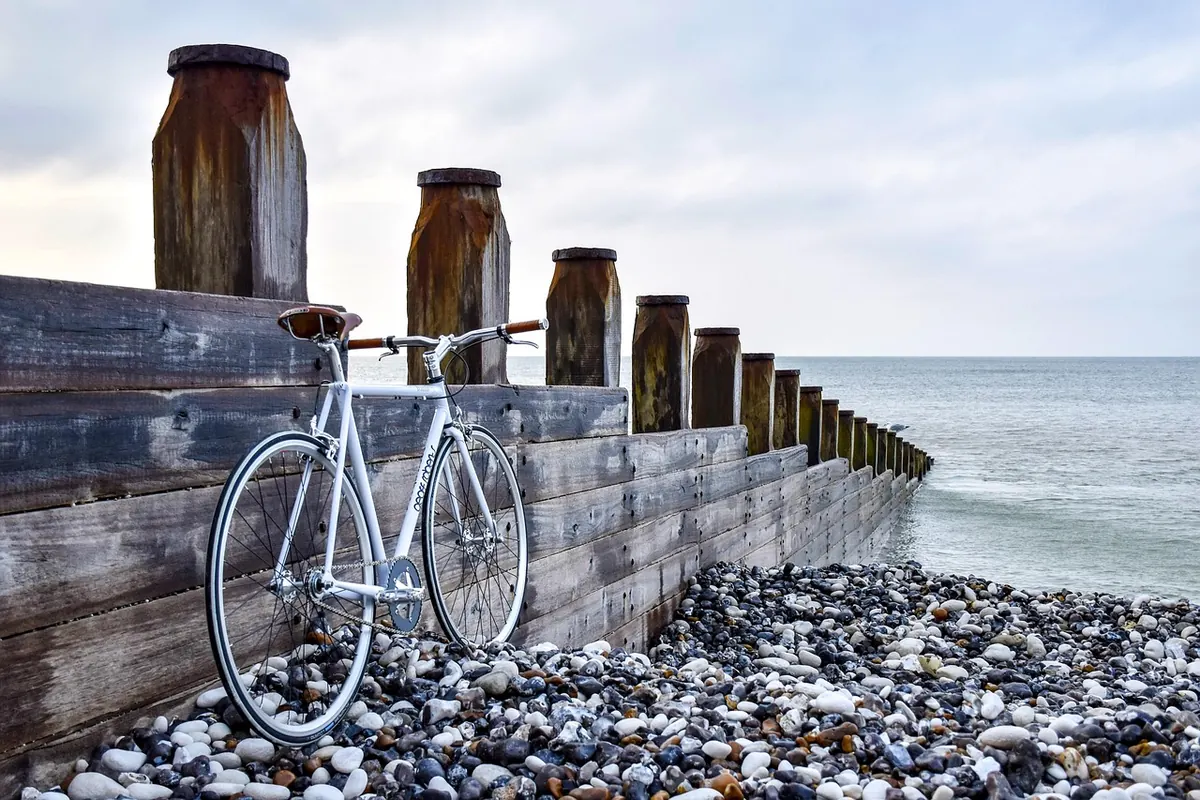
Photo: Darkmoon_Art / Pixabay
You Might Also Like
Summer ferries and buses change timetables at different moments, and the connections that work in spring often fail in July. What shifts, what breaks, and how to plan around it.
Flat coastal roads look easy until wind, traffic and heat rewrite the plan. Here are the seven mistakes new riders make most often — and the simple fixes.