Beginner's Guide to Italian Coastal Train Routes
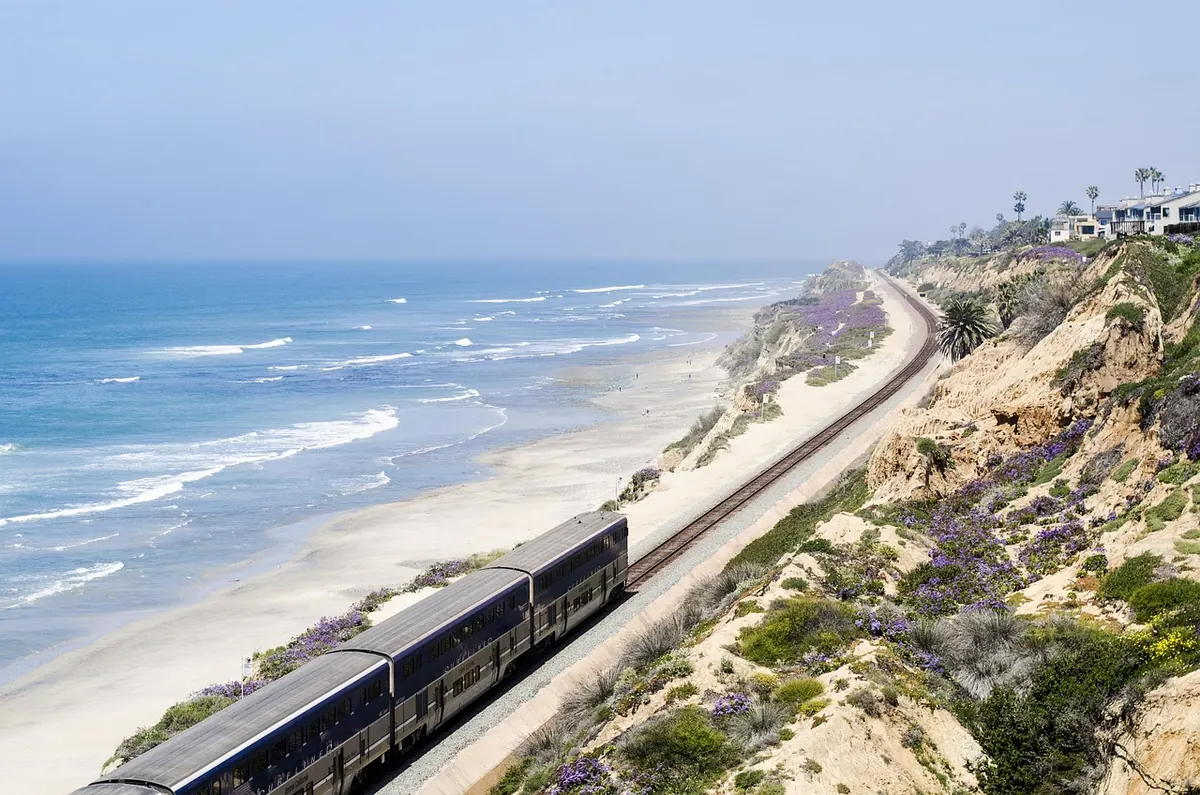
Italian coastal railway lines were often built before the roads that now run beside them, which is why a slow regionale can leave you looking down at a beach while the traffic below sits still. The system is more forgiving than it first appears. You only need to get three things right: the type of train, the type of ticket, and the platform you are standing on.
What follows is the advice that experienced coastal travellers give friends — not a timetable, but the habits that make timetables work.
Buy the right ticket, then validate it
Italy runs on several ticket channels, and all of them are legitimate. You can buy in the Trenitalia app or website, at the automatic machines inside the station, at a staffed ticket office, or at a tabaccheria displaying the Trenitalia sign. Small coastal stations sometimes have no office and one machine that may or may not be working, so buying on your phone before you leave the hotel is the least stressful option.
Paper in the machine, digital in the app
A paper ticket bought at a machine or a counter must be validated before you board. Look for the small stamping machines on the platform, usually near the entrance to the track, and push the ticket in until you hear the punch. Digital tickets bought through the app are already tied to a date and a name; you do not stamp those, but you do need to check the validity window printed on the ticket, because a regional ticket bought for a specific day still has a limited period of use. If you are unsure, ask at the counter or read the confirmation screen carefully before you close it.
Traveling on an unvalidated paper ticket is the single most common mistake visitors make, and inspectors are not sentimental about it.
When to book ahead
High-speed and Intercity trains come with a reserved seat and a price that climbs as departure approaches, so book those as early as your plans allow. Regional trains have no reservations, no seat numbers and a fixed, low fare — buying three weeks early saves you nothing. For those, buy the day before or on the morning itself.
Two small points that catch people out. Regional tickets are issued in a name now, so buy them in the name of the person travelling. And check for strike notices a day or two before a long coastal hop; scioperi are announced in advance, and a guaranteed-service window usually applies to commuter hours.
Know your train types
The name on the front of the train tells you almost everything about how the journey will feel.
- Regionale and Regionale Veloce — the workhorses. Cheapest, no reservation, and the only trains that stop at the small coastal stations. Slower, plainer interiors, and often crowded in summer.
- Intercity — reserved seat, air conditioning, and on many coastal lines it is the fast option where high-speed trains simply do not run. It stops at the main towns rather than every village.
- Frecciarossa, Frecciargento, Frecciabianca — the high-speed family, mostly on main lines such as the Adriatic corridor. Reserve in advance and expect to pay for the speed.
- Italo — a private high-speed operator with a smaller network. Check whether it serves your stretch before assuming it does.
- Local operators — the Circumvesuviana around Naples and Pompeii, the Circumetnea in Sicily, Sardinia's narrow-gauge lines. These run on their own tickets, and a Trenitalia ticket will not get you through the gate.
One practical warning: the Amalfi Coast has no railway. You reach it by the Circumvesuviana to Sorrento and then a bus or ferry, and the buses fill up fast in July.
The stretches worth planning a day around
You do not need to cross the country to see something memorable. These are the sections people plan trips around, and all of them are served by ordinary regional trains.
- Liguria, Ventimiglia to La Spezia. The Cinque Terre stretch between Levanto and La Spezia is the famous part, with villages pinned to the cliffs and tunnels between them. Work out the direction before you board: heading towards La Spezia, the sea is on your right.
- The Adriatic, Rimini to Lecce. Long, straight and underrated. The line hugs the water south of Termoli and again around the Gargano approaches, and the light in the late afternoon is worth timing a journey for.
- The southern Tyrrhenian, Naples to Reggio Calabria. Past Salerno the coast turns dramatic, with Maratea and the Calabrian cliffs giving the best of it. Sit on the sea side and accept that much of it arrives in flashes between tunnels.
- Sicily, Messina to Catania. Etna on one shoulder, the Ionian Sea on the other. Slow, and all the better for it.
Two tips for these routes. First, the sea is not always on the same side — ask, or watch the first five minutes and move if the carriage is quiet. Second, small stations on these lines often sit well above the beach, so allow time for stairs or a shuttle down to the water.
Luggage: the honest version
Regional carriages are not designed for a two-week suitcase. You get overhead racks, a narrow space at the ends of the coach, and whatever room you can find between the seats. There is no checked baggage and no porter.
If you are traveling the Cinque Terre or any short coastal hop in summer, consider basing yourself in a larger town such as Levanto or La Spezia and making day trips with a small bag. Many bigger stations have a staffed left-luggage office or bag drop; check the station's own page before you rely on it, as smaller stations do not. On the train, keep your case between your knees or under the seat rather than in the aisle, and avoid the 7am and 6pm commuter windows if you can, when a large bag becomes a genuine obstacle for everyone around you.
Cycles are possible on many regional services with a supplement, but not on high-speed trains, and not always in peak season. Confirm with the operator first.
Station habits that make you look like a regular
Italian station names do not always match the place you think you are going to. Taormina-Giardini is down at the water, well below Taormina itself. Portofino has no station; you get off at Santa Margherita Ligure. Some towns have two stations, and the one your hotel is near may not be the one the fast train calls at. Check the exact station name before buying.
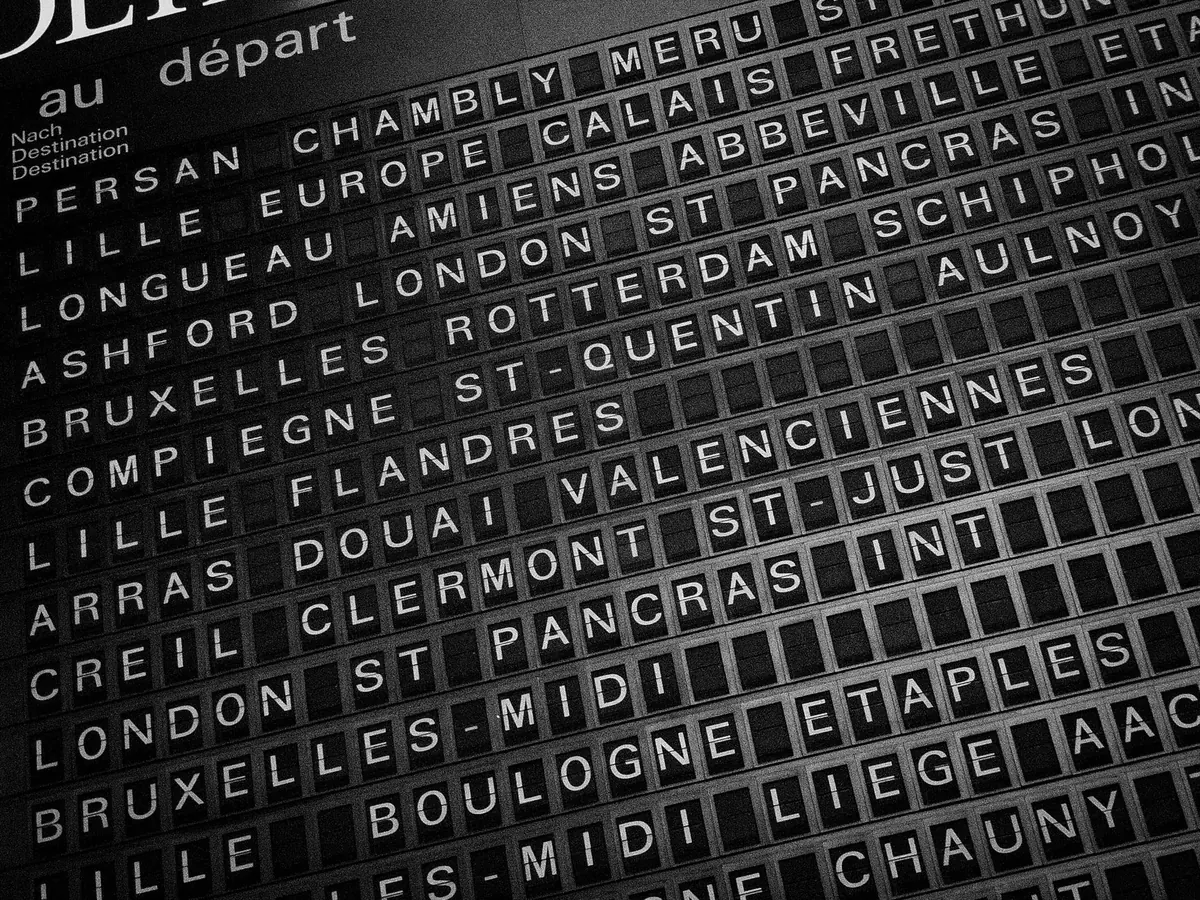
On the platform, watch the departure board — partenze — for the platform number, binario. It is often posted only a few minutes before departure, and last-minute changes happen. Listen for announcements and keep half an eye on the board rather than settling into a book. At unmanned stations there is no bar, no taxi rank and no help, so arrive with a ticket already on your phone and a rough idea of the walk into town.
Finally, carry a refillable bottle. Most stations have drinking fountains, and the water is fine.
A short practical checklist before you board
- Confirm the exact station name and which of a town's stations it is.
- Buy the regional ticket on your phone, or arrive early enough to queue at a machine.
- Validate any paper ticket before stepping onto the platform.
- Check the departure board for the binario, then check it again two minutes later.
- Keep your luggage with you and out of the aisle.
- Glance at the operator's site for strike notices the day before a long journey.
None of this is complicated, and that is the point. Once the ticket is in your pocket and you are on the right platform, coastal rail travel in Italy becomes what it should be: a slow, cheap, remarkably beautiful way of getting from one beach town to the next. Buy the ticket, stamp it, sit on the sea side, and let the line do the work.
Photo: dfsym / Pixabay
You Might Also Like
Summer ferries and buses change timetables at different moments, and the connections that work in spring often fail in July. What shifts, what breaks, and how to plan around it.
Flat coastal roads look easy until wind, traffic and heat rewrite the plan. Here are the seven mistakes new riders make most often — and the simple fixes.